

A recent incident in Shanghai has sparked heated debate. A man walked into a restaurant and, instead of ordering, first asked whether the dishes were pre-made. The waitress assured him they were not. He then ordered two dishes: fish-fragrant shredded pork without salt, and mapo tofu cut into triangles. The waitress paused, took the order to the kitchen, and returned with just four words: “Can’t do it.” Without a fuss, the man stood up and left.
The entire encounter was captured on video and went viral online. Comments were sharply divided. Some called the man a troublemaker, arguing that asking for mapo tofu to be cut into triangles was like treating the kitchen like a kindergarten craft class. Others sided with him, pointing out that cutting tofu diagonally takes two seconds, and skipping the salt in the shredded pork is just a flick of the wrist.
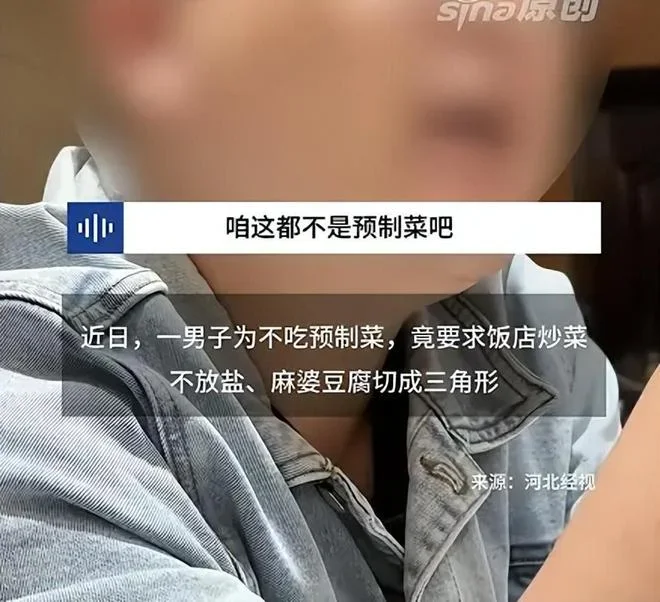
But these two camps are arguing about different things. The customer’s brilliance lies not in debating whether pre-made food is good or bad, but in making two simple, three-second requests that stripped the entire industry naked.
Let’s break down that “can’t do it.” Cutting tofu into triangles is easy: two diagonal cuts on a square piece. Leaving out salt in fish-fragrant shredded pork? Just don’t sprinkle that last pinch. Combined, these requests take less than five seconds. In a real kitchen with a real chef, hearing such requests—and knowing the customer is testing whether the food is freshly cooked—would at most earn a knowing glance, followed by getting the job done.
But the waitress went to the kitchen, checked, and came back with “Can’t do it.”
Behind those three words lies a brutal truth: the kitchen never had any “cooking” to do. The entire process involves no cutting, no seasoning—only heating and plating.
Ask them to cut tofu into triangles? They can’t, because the tofu was already cut into cubes at the factory and frozen. Ask them to hold the salt? They can’t, because the salt is already mixed into a pre-packaged sauce, like instant noodle seasoning. You can’t separate it.
So consider the irony: the waitress had just sworn the food wasn’t pre-made, and in the next breath, the kitchen contradicted her. This isn’t just awkward—it’s a confession.
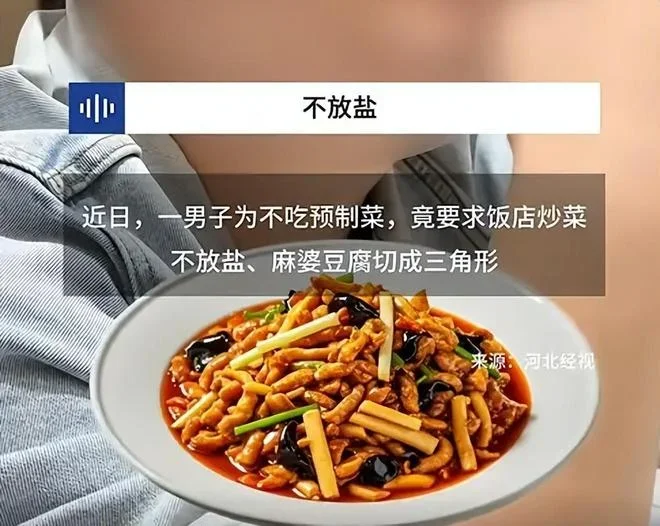
And here’s the deeper insight: any authentic Sichuan chef knows that proper fish-fragrant shredded pork doesn’t need added salt. The saltiness comes from pickled peppers, bean paste, and soy sauce. Check any genuine Sichuan cookbook—salt isn’t even listed as an ingredient. So when the customer asked for no salt, he wasn’t being picky; he was posing a professional test: “Is this dish made the right way, or is it just a reheated pack?”
That’s a pro-level move. A true expert doesn’t need to argue. He just makes one small, technical request. If you can handle it, you’re the real deal. If you can’t, all your smooth talk means nothing.
Now, let’s dig deeper. What’s truly unsettling here isn’t that one restaurant is problematic—it’s that this restaurant is completely ordinary.
Here’s a hard truth: over the past decade, the Chinese dining industry has quietly undergone a revolution called “de-chefization.” Kitchens are systematically eliminating the role of the chef. The old kitchen had a team—wok tossers, vegetable choppers, sauce preparers, plating assistants—with heat control relying on feel, seasoning on experience, and a master chef worth half the restaurant’s value. Today’s kitchen? Freezer, microwave, steamer, shelf of pre-packaged meals. No chef needed—just someone who can read, tear open bags, and push buttons.
Think about the economics: a skilled chef costs 10,000 yuan a month, plus room and board, and you have to please them because they might quit anytime. Switch to pre-packaged meals: central sourcing, processing, and cold-chain delivery to the store, where a 4,000-yuan-a-month bag opener does the job. A chain restaurant saves hundreds of thousands of yuan annually in labor. Add near-zero ingredient waste, faster service, higher table turnover, and fatter margins.
From a business owner’s perspective, that’s a beautiful math problem.
So today, walk into any chain restaurant in a shopping mall. The menu still lists the same dishes—steamed fish head with chopped chili, braised pork belly, braised beef brisket, mapo tofu—but the story in the kitchen has changed completely. These dishes aren’t cooked; they’re heated. The chef isn’t a chef anymore; he’s the final station on an assembly line. The wok-tossing, salt-sprinkling, and knife work have all been moved to a factory hundreds of miles away, done by machines and molds.
You think you’re eating in a restaurant. You’re not. You’re in a convenience store dressed up like a restaurant, eating reheated food.
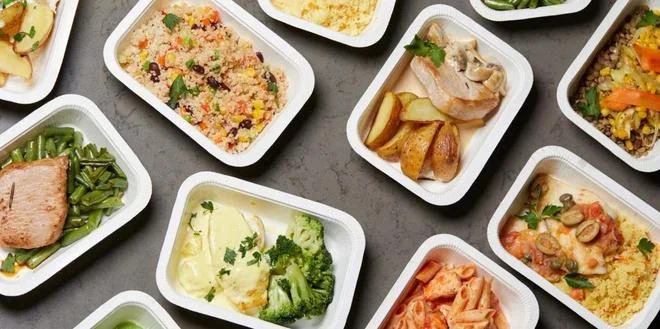
So who wins in this “de-chefization” movement? The owner wins—lower labor, less waste, no training, easier management, skyrocketing profit margins. Capital wins—standardization enables scaling, scaling enables IPO, IPO enables cashing out.
And you, the customer? What do you give up, and what do you get?
You’re still paying the price of freshly cooked food. A plate of fish-fragrant shredded pork costs 38 yuan in a mall, mapo tofu 26 yuan. The menu pricing logic still assumes “a chef is cooking each dish fresh for you.” But what you eat is a factory-made, months-old product frozen at -18°C and microwaved in three minutes. According to public data, the factory price of a pre-made meal pack ranges from 3 to 8 yuan. The 20-30 yuan difference? That’s the “information asymmetry tax” the restaurant owner takes from your pocket.
The cruelest part: you don’t even have the right to know.
Now, I’m not saying everyone should start interrogating waiters. I know pre-made food has its rationale—efficiency, consistent hygiene standards, allowing smaller cities to taste big-city flavors. My objection isn’t to pre-made food itself. It’s to the inequality in the rules of the game.
Where is the inequality? In this revolution, all the benefits go to the businesses, and all the costs go to you. All the cost-cutting is shifted onto you, and all your right to know is stripped away. You think you’re freely choosing, but your choice has already been taken away by the entire supply chain.
You want freshly cooked food? It’s not available. You want to know if it’s pre-made? You can’t get an answer. You want to pay extra for fresh, or less for pre-made? Sorry, you don’t set the prices.
That’s why this customer’s silent exit is so powerful. No yelling, no complaints, no table-pounding. He made the only meaningful protest an ordinary person can—voting with his feet. “I won’t give you my money. I won
